
Selective Soldering Benefit Complex Microwave PCB
RF microwave PCBs are used in electronic devices to transmit radio-frequency signals in the megahertz and gigahertz range. This frequency range is used by communication systems, radars, and other high-frequency electronic devices. This type of circuit board requires special materials for optimum performance and reliability. These materials are specially designed to handle the high-frequency signals of these devices. These specialized materials are typically more expensive than traditional printed circuit boards. However, they offer superior functionality and longevity for these types of applications.
Selective soldering is a process that uses nozzles to pump molten solder up from the bottom of a printed circuit board. The nozzles are programmed to position themselves in the correct locations on the board to deposit solder where it is needed. This allows for connections to be made that would otherwise be difficult or impossible to make with a full wave soldering system.
The first step in selective soldering is to spray the microwave pcb with a layer of flux. This is done to clean the PCB and prepare it for the next step in the soldering process. The PCB is then preheated, which reduces the thermal stress that can cause defects in the finished product.
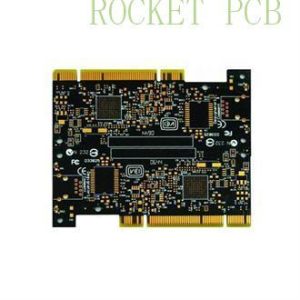
How Does Selective Soldering Benefit Complex Microwave PCB?
A robot then takes the PCB and places it under the nozzle that is being programmed to solder it. The nozzles are often different sizes, which allows for the correct amount of solder to be placed on each connection. The nozzles are also programmable, which allows the robot to solder each part of the assembly in exactly the right spot.
This is especially useful for large connectors, which can have hundreds of pins. In these cases, it is very difficult for a soldering iron to reach all the pins in order to complete the soldering process. Selective soldering is able to solve this problem by using a wide-tipped nozzle that can handle rows of connector pins at once.
Another benefit of selective soldering is that it can be used to solder surface mount components as well as through-hole parts. This makes it a versatile alternative to wave soldering for mass production of complex and high-volume th boards. In addition, the programmable capabilities of selective soldering enable rapid changeover and reduced thermal exposure for temperature sensitive components.
The Ursa selective soldering system is built for high-mix manufacturing, so it can accommodate a wide variety of through-hole and surface mount components. This flexibility also reduces the time and cost of setup changeover. The system uses vision systems to identify parts and joints, and robotic mechanisms then position the board properly under the nozzles. The system can use a wide selection of solder alloys, including 63/37 and 60/40 tin/lead, as well as lead-free alloys. The nozzles can be programmed to spray a single point, a pattern, or an entire area of the PCB. The nozzles can also be adjusted in height to address taller connectors that are not suitable for full wave soldering.


