
Lifespan of a PCB Stiffener
Stability is a key factor in the overall reliability and functionality of electronic devices. Without sufficient stability measures, a device can become unstable and prone to deformations, which can lead to reduced performance and even device failure. PCB board stiffeners are an integral part of achieving this stability, providing support and rigidity to flex or rigid-flex circuit boards. However, they must be carefully designed to ensure that they are both effective and safe. To achieve this, engineers need to understand the role of pcb stiffener, including its definition and types, as well as design considerations that enhance their efficacy.
A pcb stiffener is a rigid material that is added to a flex or rigid-flex circuit board to enhance its mechanical strength and prevent bending. It is commonly used in areas of the board that require more durability, such as those containing large components or connectors. Stiffeners also help to protect the circuit from environmental stressors, which can lead to increased longevity and improved dependability.
The lifespan of a pcb stiffener depends on the material it is made from, how it is attached to the board, and its structural performance. The most common materials include FR4, glass-reinforced epoxy, and polyimide. Each of these materials offers different benefits, allowing designers to choose the one that best suits their specific application and environmental conditions. Stiffeners can also be made from aluminum and stainless steel, which offer robust structural reinforcement. Best FPC uses a variety of different materials in our PCB manufacturing, ensuring that we can provide the ideal solution for any application.
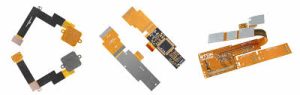
What Is the Lifespan of a PCB Stiffener?
A pcb stiffener can be attached to a flexible circuit board by using either thermal or pressure-sensitive adhesive (PSA). Each of these methods offers distinct advantages and disadvantages, and the choice should be based on the specific requirements of the application. For example, PSA is more cost-effective than thermal bonding and can be dispensed quickly, making it an excellent option for low-stress applications. Thermal bonding, on the other hand, provides a more secure connection and can be used in high-stress applications, but it may require specialized equipment to use.
Another important factor in the lifespan of a pcb stiffener is its thickness. Thicker stiffeners are more rigid and less prone to damage, while thinner ones offer more flexibility. The thickness of a pcb stiffener should be determined by the specific needs of the application, with consideration for factors such as the amount of force and torque that will be applied to the circuit board.
The role of a pcb stiffener plays an essential role in ensuring the safety and reliability of electronics, and it is crucial for engineers to take this into account when designing their products. By carefully integrating PCB stiffeners into the design of their products, engineers can ensure that they are durable and reliable, enabling them to operate effectively in diverse environmental conditions. Stiffeners are an effective solution for enhancing the durability and longevity of flexible and rigid-flex circuits, and they can be used to enhance the stability of any electronic assembly.


